
Art Therapy for Grief and Loss in Annapolis, MD
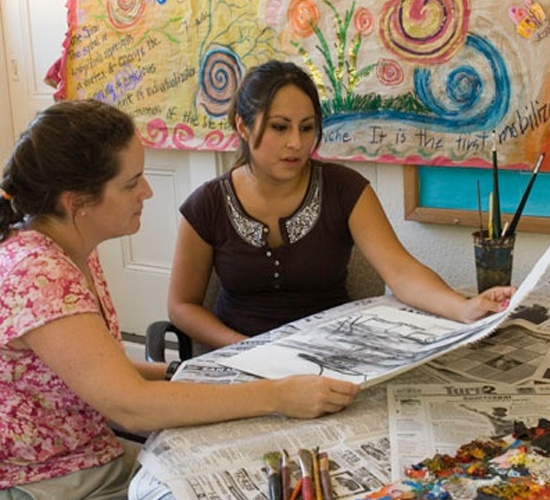
If you’re searching for grief counseling in Annapolis, MD — or typing “grief therapist near me” into a search bar late at night — you already know that grief changes everything. Whether you are mourning the death of a loved one, coping with divorce, processing a pregnancy or pet loss, or carrying a loss that others don’t fully see, art therapy for grief and loss offers a different way through. At Barbara Robertson Art Therapy, LLC, we provide client-centered bereavement counseling and creative grief support for individuals, teens, and families across Annapolis and Anne Arundel County, Maryland. Grief rarely follows a straight line, and it doesn’t always fit neatly into words — which is exactly why so many families search for the best grief therapist in Annapolis, MD who offers more than talk therapy alone.
What Is Art Therapy for Grief and Loss?
Art therapy for grief and loss combines evidence-based grief therapy techniques with creative expression — drawing, painting, collage, sculpting, and guided journaling — to help people process mourning and life transitions. Working with a grief support therapist trained in both clinical counseling and expressive arts means you’re never limited to words alone. This mourning and healing therapy approach, and coping with grief therapy more broadly, let feelings surface visually first, which often makes deep or complicated grief easier to approach.
Signs of Grief and Loss
- Persistent sadness, numbness, or waves of unexpected emotion, common after the loss of a loved one
- Difficulty sleeping, concentrating, or returning to daily routines
- Guilt, anger, or regret connected to the loss
- Avoiding reminders of the person, pet, or life stage that was lost
- Feeling isolated, “stuck,” or unable to move forward without proven grief processing techniques
- Physical symptoms such as fatigue, tension, or appetite changes
What Causes Complicated Grief and Loss?
Some losses call for complicated grief therapy, while others are better described as anticipatory grief support — helping caregivers process loss before it fully arrives.
Sudden, traumatic, or unexpected loss
Multiple losses occurring close together
A complicated or ambivalent relationship with the person who died
Lack of social support during mourning
A history of anxiety, depression, or unresolved trauma
Caregiving burnout leading into anticipatory grief
Who Can Benefit From Grief Therapy and Bereavement Counseling
- Anyone mourning the death of a parent, spouse, child, sibling, or friend, through art therapy for bereavement
- Individuals navigating divorce grief counseling, breakup, or estrangement
- Parents processing pregnancy or infant loss
- Pet owners seeking pet loss grief therapy for the loss of a companion animal
- Children and teens who struggle to verbalize grief, through child grief therapy
- Caregivers experiencing anticipatory grief and burnout

Our Grief Therapy and Bereavement Counseling Approach
This creative therapy for loss and mourning draws on several evidence-informed approaches, every grief journey is different:
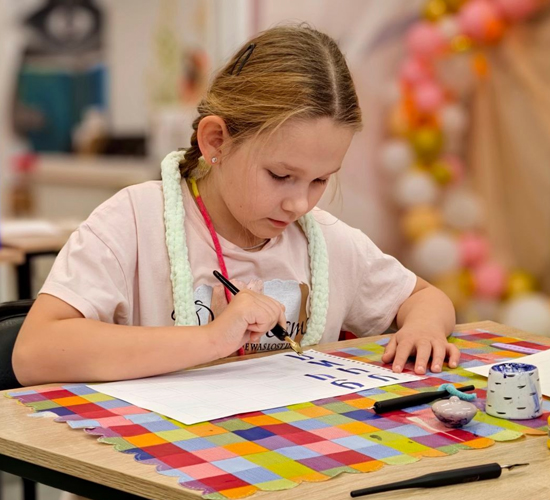
- Expressive Art Therapy: guided drawing, painting, and collage that gives shape to grief that feels too big for words.
- IFS (Internal Family Systems) Therapy: helps clients understand the different emotional “parts” carrying guilt, anger, or longing, so grief can be integrated rather than suppressed.
- CBT techniques: used alongside creative work to address self-blame and “should have” thinking that often accompanies loss.
- Family Art Healing: joint sessions for families or couples grieving the same loss together.
- Tele-Art Therapy: remote sessions for clients across Maryland who prefer or need to meet virtually.
Benefits of Grief Counseling and Bereavement Support
- A safe space to express grief without pressure to “move on” on someone else’s timeline
- Reduced emotional overwhelm and anxiety connected to loss
- Healthier coping tools for grief triggers like anniversaries and holidays
- Improved sleep, concentration, and daily functioning
- A renewed sense of connection to memories, meaning, and identity
What to Expect From Grief Therapy Sessions
Step 1 — Reach Out & Schedule
Step 2 — Initial Consultation
Step 3 — Personalized Treatment Plan
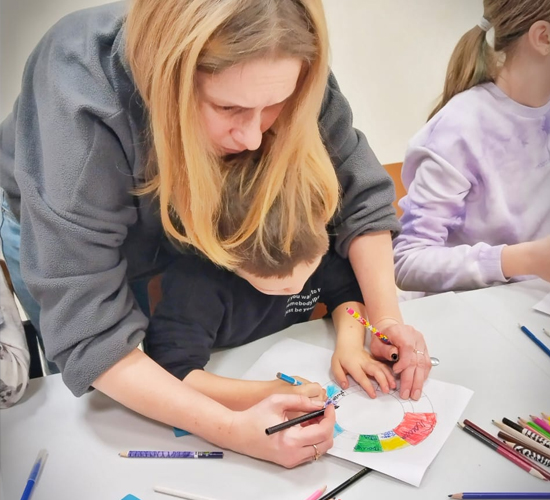
Step 4 — Guided Art Therapy Sessions
Step 5 — Ongoing Progress Reviews
Step 6 — Continued Growth & Maintenance:
Why Anne Arundel County Families Choose the Best Grief Therapist in Annapolis, MD
Choosing the right therapist matters, especially while grieving.
- Over 20 years of clinical art therapy experience
- Master’s degree and certificate in art therapy, Maryland clinical professional license, and Board Certification
- Trained in IFS (Internal Family Systems) therapy alongside expressive arts and CBT
- Trauma-informed, client-centered care for children, teens, adults, and families
- In-person sessions in Annapolis, MD, plus tele-art therapy available across Maryland
Grief Counseling in Annapolis, MD — Serving Anne Arundel County
Barbara Robertson Art Therapy, LLC provides grief support across Anne Arundel County, with bereavement support available throughout the region in addition to in-office sessions in Annapolis.
Begin Your Healing Journey Today
You do not have to carry grief alone. Compassionate, personalized art therapy for grief and loss can help you process emotions, rediscover inner strength, and move toward healing with confidence.
Call: 410-353-5708,
Email: brobertson.atr@gmail.com
What is art therapy for grief and loss?
It’s a therapeutic approach that uses creative activities like drawing, painting, and collage to help you process mourning, express emotions that are hard to verbalize, and develop healthier coping strategies for loss.
Do I need artistic talent to participate?
No. Art therapy focuses on emotional expression, not artistic ability. There’s no “right” way to create, and no experience is required.
How is art therapy different from talk therapy for grief?
Talk therapy relies on verbal processing. Art therapy adds a nonverbal outlet, which can help when grief feels too complex, painful, or numbing to put directly into words.
How long does grief therapy take?
It varies by person. Some clients find relief in a few months of sessions; others continue longer-term support through anniversaries or additional life changes.
Can art therapy help with pet loss or non-death losses like divorce?
Yes. Grief applies to any significant loss — including divorce, estrangement, infertility, or the death of a pet — and art therapy can support all of these experiences.
Is art therapy appropriate for grieving children and teens?
Yes. Children and teens often express grief more naturally through creative activities than through conversation, making art therapy especially effective for younger clients.
What happens during a grief-focused art therapy session?
Sessions typically include guided creative activities, reflection, and therapeutic conversation, tailored to your comfort level and the nature of your loss.
Can art therapy help with complicated or traumatic grief?
Yes. Art therapy is often effective for complicated grief, sudden loss, and grief that overlaps with trauma, helping clients process pain at a manageable pace.
Do you offer virtual grief therapy sessions?
Yes. Tele-art therapy is available for clients across Maryland who prefer or need to meet from home.
Do you accept insurance?
Please contact our office directly to discuss insurance and payment options for your specific plan.
How soon can I schedule my first appointment?
You can request an appointment through our online booking calendar, and most new clients are seen within one to two weeks.
What if I've never been to therapy before?
That’s completely normal. Sessions begin with a no-pressure conversation so you can decide what pace and approach feel right for you.