
Healing from Trauma Through Art Therapy in Annapolis, MD
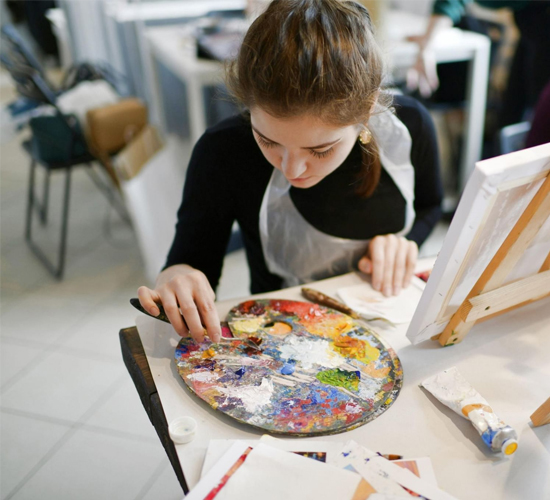
Trauma can leave lasting emotional, mental, and even physical effects that disrupt daily life, relationships, and self-confidence. At Barbara Robertson Art Therapy, LLC, we provide art therapy for trauma and trauma therapy for individuals across Annapolis and Anne Arundel County, Maryland. This trauma-informed therapy approach and hands-on trauma counseling go beyond simply “talking it out,” offering a safe, creative path toward healing.
What Is Trauma-Informed Art Therapy?
Trauma-informed art therapy combines evidence-based counseling with creative expression, including PTSD art therapy for clients living with post-traumatic stress and childhood trauma therapy for experiences rooted in early life. Much of this work draws on inner child trauma healing, and many clients find IFS therapy for trauma especially effective, since Internal Family Systems work was designed specifically to help people reconnect with the protective and wounded parts trauma creates.
Signs Trauma May Be Affecting You
Working with a trauma recovery therapist early can help address these signs before they become more entrenched:
- Feeling on edge, easily startled, or constantly “on guard”
- Intrusive memories, flashbacks, or nightmares
- Avoiding people, places, or topics connected to what happened
- Emotional numbness or feeling disconnected from yourself and others
- Difficulty trusting others or forming close relationships
- Physical tension, fatigue, or unexplained health symptoms
Experiences That Can Lead to Trauma
Because trauma is stored in the body as much as the mind, somatic trauma healing is often part of addressing these root causes:
Childhood trauma, neglect, or attachment disruption
Physical, emotional, or sexual abuse
Medical trauma or a serious diagnosis
Accidents, disasters, or sudden traumatic loss
Domestic violence or an abusive relationship
Cumulative or ongoing chronic stress
Who Can Benefit From Trauma-Focused Art Therapy
Trauma-focused art therapy can benefit:
- Children, teens, and adults who have experienced childhood trauma
- Individuals living with PTSD, complex trauma therapy needs, or panic symptoms
- Survivors of abuse or domestic violence
- Individuals processing medical trauma or a serious diagnosis
- Clients who feel emotionally “stuck” despite prior talk therapy


Our Trauma-Informed Therapy Approach
Trauma recovery is rarely linear. Sessions combine emotional trauma counseling with proven trauma processing techniques, always within a safe space trauma therapy environment:
- IFS (Internal Family Systems) Therapy: particularly well suited to trauma work, helping clients understand and gently reconnect with the protective and wounded “parts” that trauma creates.
- Expressive Art Therapy: gives the nervous system a nonverbal way to process memories and sensations that talking about directly can feel too overwhelming.
- CBT techniques: used alongside creative work to address distorted trauma-related beliefs (“it was my fault,” “I’m not safe”).
- Family Art Healing: for trauma that has affected family relationships or a child’s attachment.
- Tele-Art Therapy: remote sessions for clients across Maryland who feel safer starting therapy from home.

Benefits of Trauma Therapy and Recovery
- A nonjudgmental, trauma-informed space to process painful memories at your own pace
- Reduced hypervigilance, anxiety, and emotional overwhelm
- Improved trust, self-esteem, and sense of safety in relationships
- Stronger emotional regulation and grounding skills
- A renewed sense of identity, resilience, and personal strength
What to Expect From Trauma Therapy Sessions
Step 1 — Reach Out & Schedule
Step 2 — Initial Consultation
Step 3 — Personalized Treatment Plan
Step 4 — Guided Art Therapy Sessions
Step 5 — Ongoing Progress Reviews
Step 6 — Continued Growth & Maintenance

Why Anne Arundel County Clients Choose the Best Trauma Therapist in Annapolis, MD
Trauma recovery requires trust above all else — here’s what that looks like in practice.
- Over 20 years of clinical art therapy experience
- Master’s degree and certificate in art therapy, Maryland clinical professional license, and Board Certification
- Trained in IFS (Internal Family Systems) therapy alongside expressive arts and CBT
- Trauma-informed, client-centered care for children, teens, adults, and families
- In-person sessions in Annapolis, MD, plus tele-art therapy available across Maryland
Trauma Therapist in Annapolis, MD — Serving Anne Arundel County
Barbara Robertson Art Therapy, LLC provides trauma counseling throughout Anne Arundel County, including support for complex trauma across the region.
Trauma Therapist in Annapolis, MD
Trauma Therapy in Glen Burnie, MD
Trauma Counselor in Severna Park, MD
Childhood Trauma Therapist in Arnold, MD
Trauma Healing in Edgewater, MD
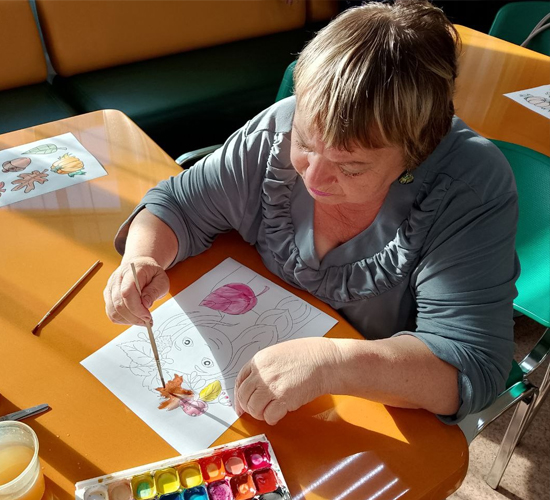
Reclaim Your Strength Through Creative Healing
Trauma does not have to define your future. Compassionate, personalized care can help you process emotional pain and move toward greater peace, confidence, and emotional balance.
Call 410-353-5708
Email brobertson.atr@gmail.com
How does trauma-informed art therapy help emotional recovery?
It gives you a way to process painful experiences visually and gradually, reducing stress and building healthier coping skills in a supportive, trauma-informed setting.
Do I need artistic talent to participate?
No. The goal is emotional expression and safety, not artistic ability.
Can art therapy help with PTSD and anxiety?
Yes. Creative expression can help regulate emotions, reduce stress responses, and provide healthy outlets for processing trauma-related thoughts and feelings.
Is art therapy appropriate for children and teens with trauma?
Yes. Younger clients often express emotions more naturally through creative activities than through conversation alone.
What happens during a trauma-focused art therapy session?
Sessions may include drawing, painting, or guided creative exercises tailored to your needs, always paced to feel safe and manageable.
How long does trauma healing through art therapy take?
Every healing journey is unique. Some clients feel relief within a few sessions; others benefit from longer-term, ongoing support.
Is IFS therapy the same as art therapy?
No, but they work well together. IFS is a therapeutic framework for understanding internal emotional “parts,” while art therapy uses creative expression as the medium for that work.
Will I have to talk about my trauma in detail right away?
No. Sessions move at your pace, and creative work often allows processing to begin before — or instead of — detailed verbal recounting.
Do you offer virtual trauma therapy?
Yes. Tele-art therapy is available across Maryland for clients who prefer to begin from home.
Is this therapy confidential?
Yes. Sessions are confidential in accordance with Maryland licensing standards.
How soon can I schedule an appointment?
Most new clients are seen within one to two weeks of reaching out through our online scheduling calendar.
What if I've tried therapy before without success?
Many clients come to art therapy after feeling “stuck” in talk therapy. The creative, body-aware approach often reaches what conversation alone couldn’t.