
ART THERAPY FOR IMPAIRED ATTACHMENT
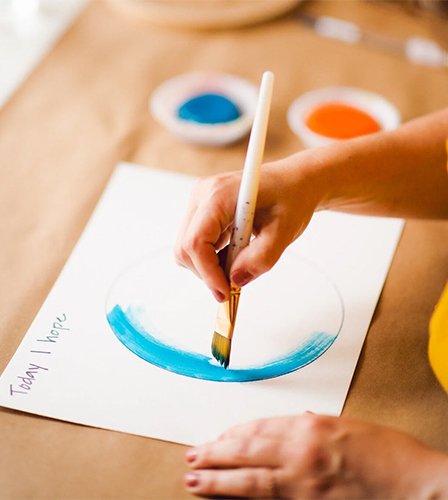
Healthy attachment is the foundation of emotional security, self-worth, and meaningful relationships. When attachment is disrupted due to trauma, neglect, abandonment, inconsistent caregiving, adoption challenges, or difficult life experiences, it can deeply affect how a person connects with themselves and others. At Barbara Robertson Art Therapy, LLC, we provide compassionate, evidence-informed Art therapy for impaired attachment to help children, teens, and adults rebuild trust, process emotional pain, and develop healthier emotional connections.
Through creative expression and therapeutic guidance, clients can explore emotions that may feel too overwhelming or difficult to explain with words alone. Art becomes a safe bridge between inner experiences and emotional healing.
Understanding Impaired Attachment
Attachment patterns begin early in life. When a child experiences emotional inconsistency, trauma, loss, abuse, neglect, or disrupted caregiving, the ability to form secure relationships may become impaired. This can continue into adolescence and adulthood, affecting emotional regulation, communication, self-esteem, and interpersonal relationships.
People struggling with impaired attachment may experience:
- Difficulty trusting others
- Fear of rejection or abandonment
- Emotional withdrawal or intense emotional reactions
- Anxiety in relationships
- Trouble expressing emotions
- Low self-worth or feelings of disconnection
- Behavioral challenges in children and teens
- Difficulty forming healthy boundaries
These emotional patterns can impact family relationships, friendships, school performance, work environments, and overall mental well-being. Professional support can help individuals understand these responses and begin building safer, healthier emotional connections.
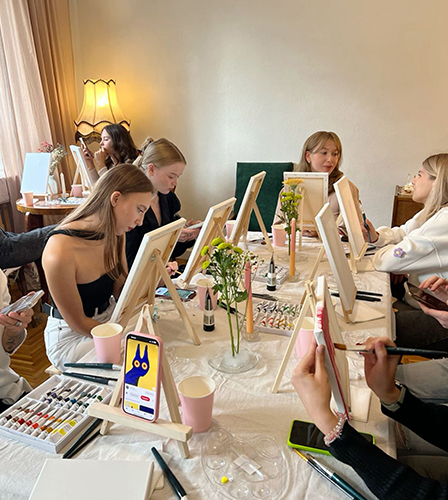
How Art Therapy Supports Attachment Healing
Art therapy for impaired attachment offers a unique and powerful pathway to emotional healing. Unlike traditional talk therapy alone, art therapy allows clients to communicate thoughts and feelings visually and creatively, often revealing emotions that are difficult to verbalize.
At Barbara Robertson Art Therapy, LLC, sessions are tailored to each client’s emotional needs, developmental stage, and comfort level. Through guided creative activities, clients can safely explore emotional experiences while building trust within the therapeutic relationship.
Art therapy may include:
- Drawing and painting
- Collage work
- Clay and tactile materials
- Visual storytelling
- Symbolic imagery exploration
- Mindfulness-based creative exercises
- Emotion-focused art activities
Creative expression helps reduce emotional overwhelm while encouraging self-awareness, emotional regulation, and healthier attachment patterns.
Why Art Therapy Works for Impaired Attachment
Many individuals with attachment wounds struggle to express vulnerability verbally. Art creates a non-threatening and emotionally safe form of communication. It helps clients process experiences gradually while maintaining a sense of control and emotional safety.
Who Can Benefit from Art Therapy for Impaired Attachment?
At Barbara Robertson Art Therapy, LLC, we work with individuals experiencing attachment-related challenges across different life stages.
Children
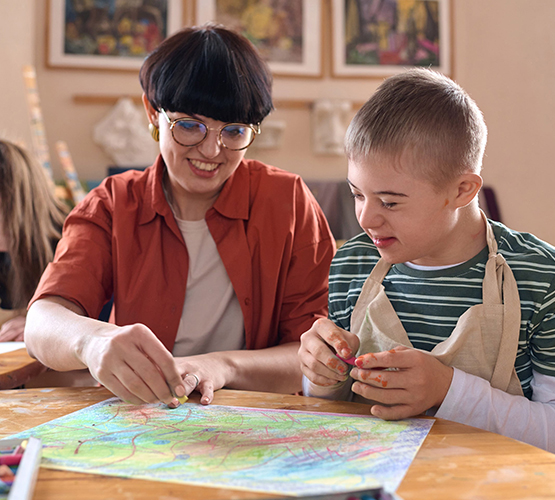
Children who have experienced trauma, foster care transitions, adoption challenges, neglect, separation anxiety, or emotional difficulties often benefit from creative therapeutic approaches that match their developmental needs.
Teens
Adolescents struggling with identity, emotional regulation, trust issues, peer relationships, or family conflict can use art therapy as a healthy outlet for emotional expression and self-discovery.
Adults
Adults with unresolved childhood trauma, relationship struggles, emotional disconnection, anxiety, or intimacy challenges may find healing through guided creative exploration and attachment-focused therapy.
A Safe, Compassionate, and Personalized Approach
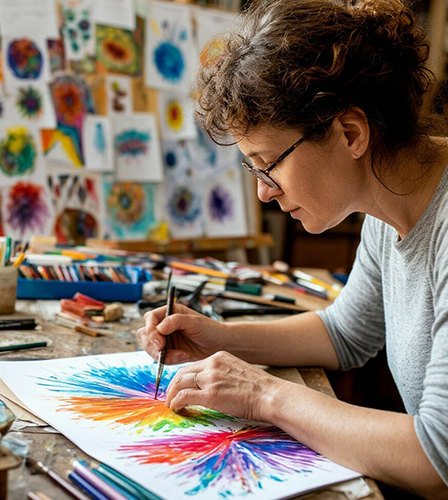
Healing attachment wounds requires patience, trust, and emotional safety. Our approach focuses on creating a supportive environment where clients feel heard, respected, and empowered throughout the healing process.
We understand that every individual’s story is unique. That’s why treatment plans are personalized to address each client’s emotional experiences, therapeutic goals, and comfort level.
At Barbara Robertson Art Therapy, LLC, we combine clinical expertise with compassionate care to help clients move toward healthier relationships, stronger emotional resilience, and lasting personal growth.
The Long-Term Impact of Attachment Healing
When attachment wounds are addressed effectively, individuals often experience meaningful improvements in many areas of life. Emotional healing can positively influence:
- Family relationships
- Romantic relationships
- Parenting confidence
- Social interactions
- Academic and workplace performance
- Emotional resilience
- Stress management
- Self-confidence and self-acceptance
Healing does not happen overnight, but with the right therapeutic support, meaningful transformation is possible.
Why Choose Barbara Robertson Art Therapy, LLC?
Choosing the right therapist is an important part of the healing journey. At Barbara Robertson Art Therapy, LLC, clients receive compassionate, individualized care grounded in professional expertise and evidence-based therapeutic practices.
We are committed to helping clients:
Feel emotionally safe and supported
Develop healthier attachment patterns
Process trauma with care and sensitivity
Build stronger emotional coping skills
Reconnect with themselves and others
Experience lasting emotional growth
Our goal is to help every client move toward healing, connection, and emotional well-being through the transformative power of creative expression.
Reconnect, Heal & Grow Through Creative Support
Attachment wounds can affect every part of life, but healing is possible with compassionate guidance and the right therapeutic approach. At Barbara Robertson Art Therapy, LLC, our personalized Art therapy for impaired attachment services help clients build emotional strength, restore trust, and create healthier relationships through meaningful creative expression. Reach out today to begin a healing journey rooted in safety, connection, and lasting emotional growth.
What is art therapy for impaired attachment?
Art therapy for impaired attachment is a therapeutic approach that uses creative expression to help individuals process emotional pain, trauma, and relationship difficulties connected to attachment challenges. It supports emotional healing, trust-building, and healthier interpersonal connections in a safe, supportive therapeutic environment.
Who can benefit from art therapy for impaired attachment?
Children, teens, and adults experiencing emotional disconnection, trauma, abandonment, neglect, adoption-related challenges, or relationship struggles may benefit from art therapy. It is especially helpful for individuals who find it difficult to express emotions through words alone.
Do I need artistic skills to participate in art therapy?
No artistic experience is required. The focus of Art therapy for impaired attachment is emotional expression and healing, not artistic ability. Sessions are designed to encourage creativity in a supportive, judgment-free environment where clients can explore emotions comfortably.
How does art therapy help with emotional regulation?
Art therapy helps calm the nervous system, reduce emotional overwhelm, and create healthy coping strategies. Creative activities encourage mindfulness, self-awareness, and emotional processing, helping clients better manage stress, anxiety, and emotional reactions.
Can art therapy help children with attachment issues?
Yes. Art therapy is highly effective for children experiencing attachment-related difficulties because it provides a developmentally appropriate way to express emotions, process trauma, and strengthen emotional communication in a safe therapeutic setting.
How long does attachment-focused art therapy take?
The length of therapy varies depending on individual needs, goals, and emotional experiences. Some clients benefit from short-term support, while others may engage in longer-term therapy to address deeper attachment wounds and build lasting emotional resilience.