
ART THERAPY FOR STRESS OVERLOAD
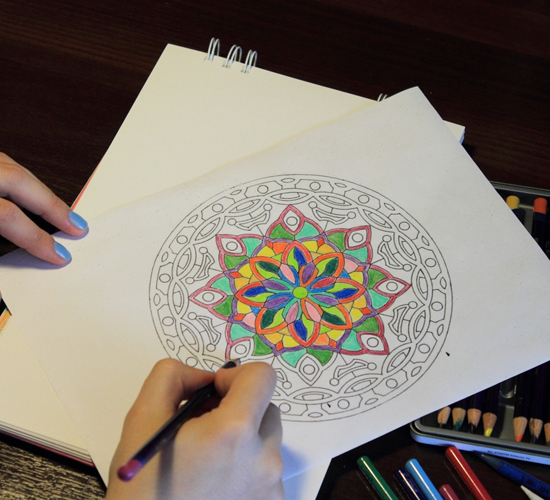
When stress becomes constant, overwhelming, and emotionally draining, it can begin to affect every part of your life—your sleep, focus, relationships, energy, and sense of self. At Barbara Robertson Art Therapy, LLC, we offer compassionate, personalized support designed to help individuals move beyond survival mode and reconnect with calm, clarity, and emotional balance through creative expression.
Our approach to stress relief through art therapy provides a safe, non-judgmental space where emotions can be explored visually when words feel difficult or exhausting. Whether you are navigating workplace burnout, caregiving stress, emotional overload, anxiety, life transitions, or chronic emotional pressure, art therapy can help you process those experiences in a healthy and empowering way.
What Is Stress Overload?
Stress Overload happens when emotional, mental, or physical demands exceed your ability to cope effectively. Over time, prolonged stress can lead to exhaustion, irritability, anxiety, emotional numbness, difficulty concentrating, and physical symptoms like headaches, fatigue, and sleep disruption.
Many people continue functioning outwardly while silently carrying emotional overwhelm internally. Unfortunately, ignoring stress does not make it disappear—it often builds until it impacts your overall well-being.
That’s where art therapy offers something different.
Instead of forcing you to “push through” or explain everything verbally, creative expression allows the mind and body to release tension naturally. Through guided artistic processes, individuals often discover emotional insight, relief, and renewed resilience.
How Stress Relief Through Art Therapy Works
At Barbara Robertson Art Therapy, LLC, therapy sessions are designed to help clients slow down, regulate emotions, and reconnect with themselves in meaningful ways. No artistic experience is necessary. This is not about creating perfect artwork—it’s about using creativity as a therapeutic tool for healing and emotional processing. Art therapy engages both the emotional and sensory parts of the brain, making it especially effective for individuals who feel emotionally “stuck,” overstimulated, or mentally exhausted.
Stress relief through art therapy helps individuals:
Express emotions that feel difficult to verbalize
Reduce mental overwhelm and emotional tension
Improve self-awareness and emotional regulation
Rebuild confidence and inner calm
Develop healthier coping strategies
Create moments of mindfulness and grounding
Process anxiety, burnout, grief, or emotional fatigue safely
A Personalized and Supportive Healing Experience
Every person experiences stress differently. Some feel emotionally reactive and overwhelmed, while others feel detached, numb, or constantly anxious. That’s why our therapy sessions are tailored to your unique emotional needs, personality, and life experiences.
Barbara Robertson creates a supportive therapeutic environment where clients feel heard, respected, and emotionally safe. Sessions may include drawing, painting, mixed media, journaling, visual storytelling, mindfulness-based art exercises, or intuitive creative exploration.
The goal is not artistic performance—it’s emotional healing, self-discovery, and restoration.
Clients often leave sessions feeling lighter, calmer, more centered, and better equipped to handle daily stressors.
Who Can Benefit from Art Therapy for Stress Overload?
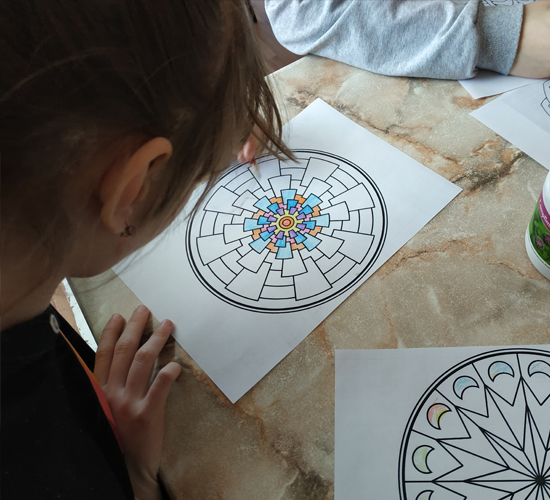
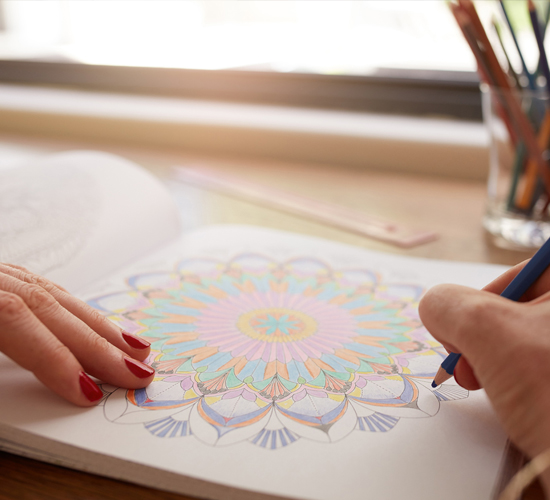
Art therapy can benefit adolescents, adults, professionals, caregivers, students, and anyone feeling emotionally burdened by ongoing stress.
You may benefit from stress relief through art therapy if you are experiencing:
- Chronic stress or burnout
- Anxiety and emotional exhaustion
- Difficulty relaxing or sleeping
- Feeling emotionally overwhelmed
- Caregiver fatigue
- Workplace or academic pressure
- Emotional suppression or frustration
- Stress related to trauma or life transitions
- Difficulty managing emotions in healthy ways
Creative therapy offers a powerful outlet for people who are tired of carrying emotional weight alone.
Why Art Therapy Is Different from Traditional Stress Management
Many stress management techniques focus only on symptom reduction. Art therapy goes deeper by helping individuals understand, process, and release the emotional experiences contributing to stress in the first place.
Creative expression helps bypass internal pressure to “have the right words” and allows emotions to emerge naturally. This process often leads to deeper emotional insight, greater self-compassion, and lasting emotional relief.
At Barbara Robertson Art Therapy, LLC, therapy is both clinically informed and deeply human-centered. Clients receive professional therapeutic guidance while also experiencing the freedom, creativity, and emotional release that artistic expression can provide.
Creating Emotional Balance Through Creativity
Stress can disconnect people from joy, creativity, and emotional presence. Art therapy helps restore that connection.
Through intentional creative work, many individuals rediscover parts of themselves that chronic stress had buried—curiosity, calmness, confidence, emotional clarity, and hope.
Therapy becomes more than stress management. It becomes a pathway toward emotional wellness, resilience, and personal growth.
If you’ve been feeling emotionally overloaded, constantly tense, or mentally exhausted, you do not have to navigate it alone. Healing can begin with one supportive conversation and one creative step forward.
Reclaim Calm, Clarity, and Emotional Strength
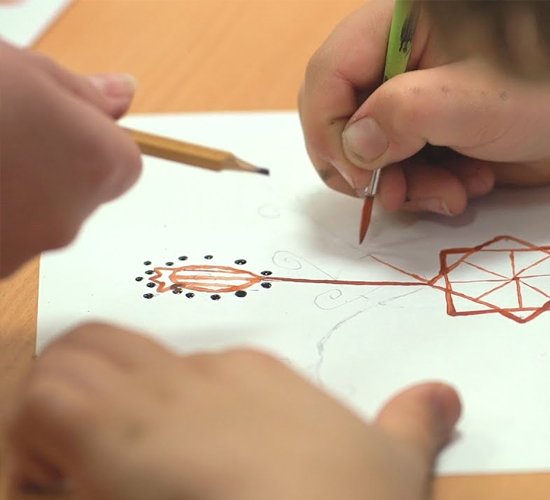
Constant stress can leave you feeling emotionally drained, disconnected, and overwhelmed—but healing is possible. At Barbara Robertson Art Therapy, LLC, our personalized approach to stress relief through art therapy helps individuals release emotional tension, restore balance, and reconnect with themselves through creative healing. If you are ready to move beyond burnout and experience meaningful emotional support, now is the time to take the first step toward a calmer, healthier, and more empowered life.
What is stress relief through art therapy?
Stress relief through art therapy is a therapeutic approach that uses creative expression to help individuals process emotions, reduce overwhelm, and improve emotional well-being. Through guided artistic activities, clients can safely explore stress, anxiety, burnout, and emotional fatigue while developing healthier coping skills and emotional balance.
Do I need artistic talent to participate in art therapy?
Not at all. Art therapy focuses on emotional expression and healing—not artistic skill or technique. You do not need any prior art experience to benefit from therapy. The creative process itself is what supports emotional insight, stress reduction, and self-discovery.
How does art therapy help with emotional overwhelm?
Art therapy helps externalize emotions that may feel difficult to explain verbally. Creative activities can calm the nervous system, improve mindfulness, and reduce emotional tension. Many clients experience increased clarity, relaxation, and emotional regulation through consistent therapeutic creative expression.
Can art therapy help with anxiety and burnout?
Yes. Art therapy is highly effective for individuals dealing with chronic stress, anxiety, emotional exhaustion, and burnout. It provides a safe outlet for emotional release while helping clients rebuild resilience, self-awareness, and healthier coping mechanisms over time.
What happens during an art therapy session?
Sessions may include drawing, painting, journaling, mindfulness-based art activities, or guided creative exercises. Each session is personalized to your emotional needs and comfort level. Barbara Robertson creates a supportive environment where clients can safely process stress and emotional challenges.
Is stress relief through art therapy suitable for adults and teens?
Absolutely. Art therapy can support both adolescents and adults experiencing emotional overload, academic stress, workplace pressure, caregiving fatigue, or personal life challenges. Sessions are adapted to each individual’s emotional goals and experiences.