
ART THERAPY FOR DEPRESSION: CREATIVE SUPPORT THAT HELPS YOU RECONNECT WITH YOURSELF

Depression can quietly drain joy, motivation, confidence, and emotional energy from everyday life. Even simple tasks may begin to feel overwhelming. At Barbara Robertson Art Therapy, LLC, we believe healing is not only possible — it can begin with creativity, self-expression, and compassionate support.
Our approach to art therapy for depression relief helps individuals explore emotions in a safe, non-judgmental environment where words are not always necessary. Through guided creative expression, clients discover healthier ways to process difficult feelings, rebuild emotional balance, and reconnect with hope.
Whether you are struggling with persistent sadness, emotional numbness, burnout, grief, anxiety connected to depression, or major life transitions, art therapy can offer a meaningful path forward.
What Is Art Therapy for Depression?
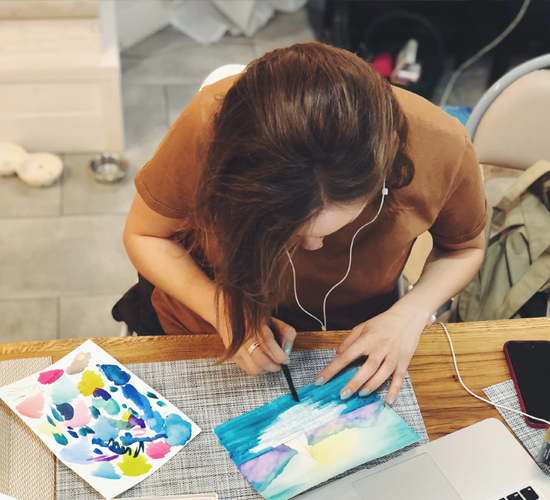
Art therapy for depression relief combines psychotherapy techniques with creative expression to support emotional healing and mental wellness. Guided by a trained art therapist, clients use drawing, painting, collage, sculpting, journaling, and other creative activities to express feelings that may feel difficult to verbalize. (The Wellix, n.d.)
You do not need artistic talent or experience to benefit from art therapy. The focus is never on creating “perfect” artwork. Instead, the creative process itself becomes a powerful tool for emotional insight, stress reduction, self-discovery, and healing.
Depression often causes people to suppress emotions, disconnect from themselves, or struggle to communicate what they are experiencing. Art therapy creates space to explore those emotions while building healthier coping skills and emotional resilience.
How Art Therapy Helps Individuals Living With Depression
Depression affects everyone differently. Some people experience overwhelming sadness, while others feel emotionally numb, exhausted, irritable, isolated, or disconnected from life. Traditional talk therapy can be incredibly helpful, but some emotions exist beyond words.
That is where art therapy for depression relief can make a profound difference. (Sacred Presence, n.d.).
Encourages Emotional Expression
Reduces Stress and Emotional Overload
Builds Self-Awareness
Restores Confidence and Motivation
Supports Healing Beyond Words
A Personalized, Compassionate Approach to Healing
unique emotional needs of the individual. Depression is never treated as a “one-size-fits-all” condition because every person’s story, challenges, and healing journey are different.
Sessions are designed to create emotional safety, trust, and genuine support. Clients are encouraged to move at their own pace as they explore emotions through carefully guided creative exercises and therapeutic conversations.
Our goal is not simply symptom management. We focus on helping individuals:
- Develop healthier coping strategies
- Improve emotional regulation
- Reconnect with personal strengths
- Process unresolved emotional pain
- Reduce feelings of isolation
- Build emotional resilience
- Rediscover creativity, meaning, and hope
This supportive, client-centered approach makes art therapy for depression relief especially beneficial for teens, adults, caregivers, professionals experiencing burnout, and individuals navigating grief, trauma, or major life changes. (Titan Core, n.d.)

Who Can Benefit From Art Therapy for Depression?
Art therapy may help individuals experiencing:
- Persistent sadness or hopelessness
- Emotional numbness or isolation
- Stress-related depression
- Burnout and exhaustion
- Grief and loss
- Anxiety connected to depression
- Low self-esteem or self-worth
- Life transition challenges
- Trauma-related emotional struggles
- Difficulty expressing emotions verbally
Many people seek therapy after feeling emotionally “stuck” for months or years. Art therapy offers a fresh, empowering approach that helps clients reconnect with themselves in meaningful ways.
Why Creative Expression Matters in Mental Health
The brain processes emotions differently through creative expression than through conversation alone. Engaging in artistic activities can activate emotional processing, mindfulness, and relaxation responses that support healing on multiple levels.
Creative expression also encourages individuals to slow down, observe their thoughts more compassionately, and explore difficult emotions without fear of judgment.
For many clients, art therapy for depression relief becomes more than a therapy session — it becomes a healthier way to reconnect with identity, self-worth, and emotional balance.

What to Expect During an Art Therapy Session
Starting therapy can feel intimidating, especially when depression already makes vulnerability difficult. At Barbara Robertson Art Therapy, LLC, sessions are designed to feel welcoming, supportive, and pressure-free.
A typical session may include:
- Guided creative exercises
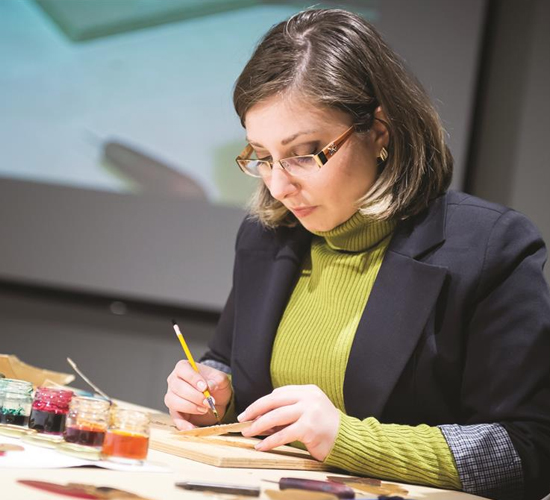
- Painting, drawing, or mixed media art activities
- Reflection and therapeutic discussion
- Emotional processing techniques
- Mindfulness-based creative work
- Stress-reduction activities
- Goal-focused therapeutic support
There is no expectation to be “good at art.” The focus remains entirely on emotional growth, healing, and self-expression.
Reconnect With Hope Through Creative Healing
Reconnect With Hope Through Creative Healing
Start Your Journey With Art Therapy for Depression Relief
Depression can make life feel isolating, exhausting, and emotionally heavy — but you do not have to navigate it alone. At Barbara Robertson Art Therapy, LLC, compassionate support and creative healing come together to help you rediscover emotional balance, resilience, and hope. Through personalized art therapy for depression relief, you can begin expressing emotions safely, building healthier coping skills, and reconnecting with the parts of yourself that depression may have silenced.
Your healing journey can begin today.
What is art therapy for depression relief?
Art therapy for depression relief is a therapeutic approach that combines mental health counseling with creative expression. Through guided artistic activities, individuals can process emotions, reduce stress, improve self-awareness, and develop healthier coping skills in a supportive therapeutic environment.
Do I need artistic experience to benefit from art therapy?
Not at all. Art therapy is designed for everyone, regardless of artistic skill or experience. The focus is on emotional expression and healing rather than artistic ability. Simple creative activities can still provide powerful emotional and psychological benefits.
How does art therapy help with depression symptoms?
Art therapy helps individuals express difficult emotions, reduce emotional overwhelm, improve self-esteem, and process internal struggles in healthier ways. Many clients experience emotional release, improved clarity, and stronger coping strategies through consistent therapeutic creative work.
Is art therapy effective alongside traditional counseling?
Yes. Art therapy for depression relief often complements traditional talk therapy very effectively. Combining verbal counseling with creative expression can provide deeper emotional insight and additional healing tools for managing depression and related emotional challenges.
Who can benefit from art therapy for depression?
Teens, adults, caregivers, professionals experiencing burnout, trauma survivors, and individuals struggling with sadness, grief, anxiety, or emotional disconnection can all benefit from art therapy. Sessions are personalized based on each individual’s emotional needs and goals.
What happens during an art therapy session?
Sessions may include painting, drawing, journaling, mindfulness-based creative exercises, and therapeutic conversations. Clients work collaboratively with the therapist to explore emotions, build coping skills, and support emotional healing in a safe, compassionate environment.